Sarah's kitchen looked like a crime scene. Dishes piled in the sink. A half-written grocery list on the counter. A text thread with her two teenagers that had devolved into arguments about who was supposed to buy milk. Again. She'd tried reminding them. She'd tried charts. She'd tried everything short of doing it herself, which some days felt easier. But when her partner mentioned a family coordination app one evening, something clicked. Maybe the problem wasn't the tasks themselves. Maybe it was how they were being tracked.
The Problem: Invisible Work, Visible Resentment
Household coordination is invisible labor. It's not glamorous. It doesn't show up on anyone's résumé. But it compounds. One forgotten item becomes a wasted trip. One person handling dishes while others scroll turns into lingering frustration. Sarah's family wasn't dysfunctional—they just lacked visibility into who was doing what and why it mattered. Everyone was operating in their own silo.
When people can see the work others are doing, resentment melts.
Trying Loopd: The First Week
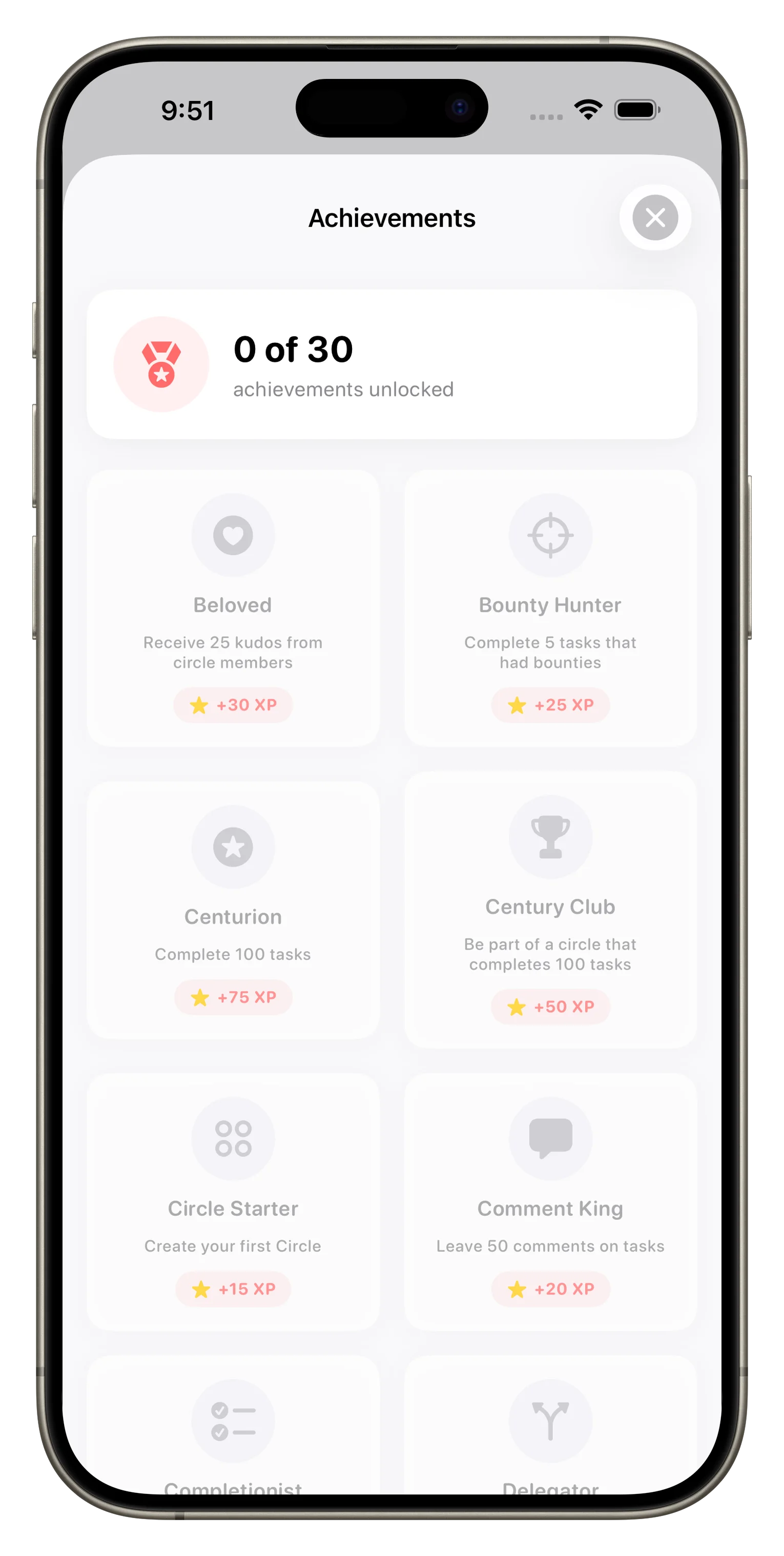
Sarah set up a Circle for her household—one shared space for her, her partner, and her two teenagers. She created a grocery list, added recurring chores (dishes, trash, laundry), and gave everyone access. The app sent real-time notifications when tasks were created, claimed, or completed. But here's what actually got everyone's attention: the XP system. Each completed task earned points. Streaks showed up on the leaderboard. Achievements unlocked.
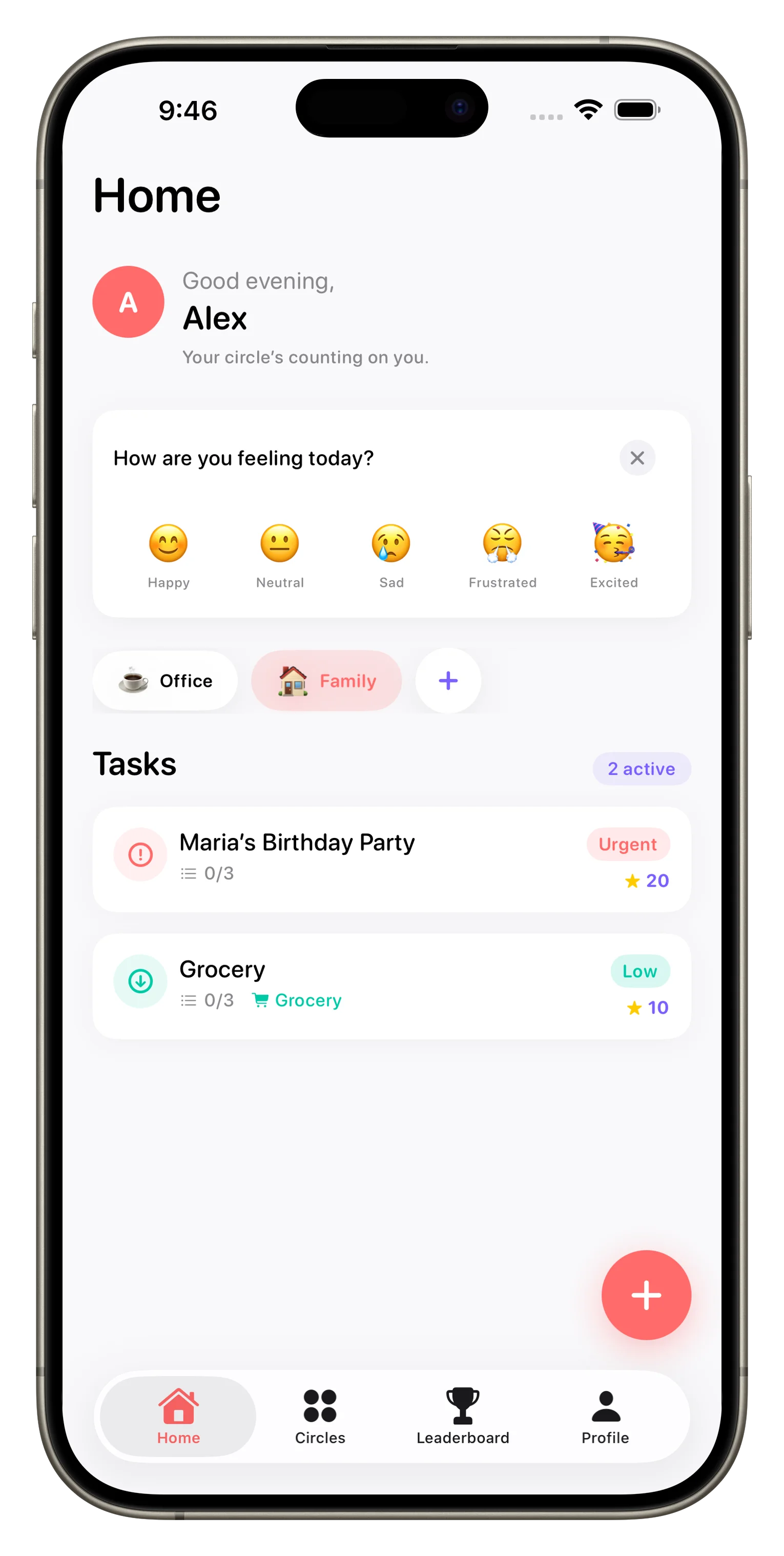
Her youngest didn't care about the chores themselves. But a chance to beat his older sister on the leaderboard? That mattered. Her partner appreciated being able to check what needed doing without asking. The visibility alone—seeing that someone had already bought milk, marked it in the list, and gotten credit—changed the dynamic. It felt less like nagging and more like coordinating.
Real-Time Coordination Stops the Guessing Game
Within days, the sticky notes came down. The group text threads quieted. Instead of Sarah texting "did we get eggs?" and waiting three hours for an answer, the grocery list in Loopd became the single source of truth. Her partner marked items bought. Her teens could see the list and add things. Someone going to the store didn't duplicate purchases because everyone could see in real-time what was already checked off.
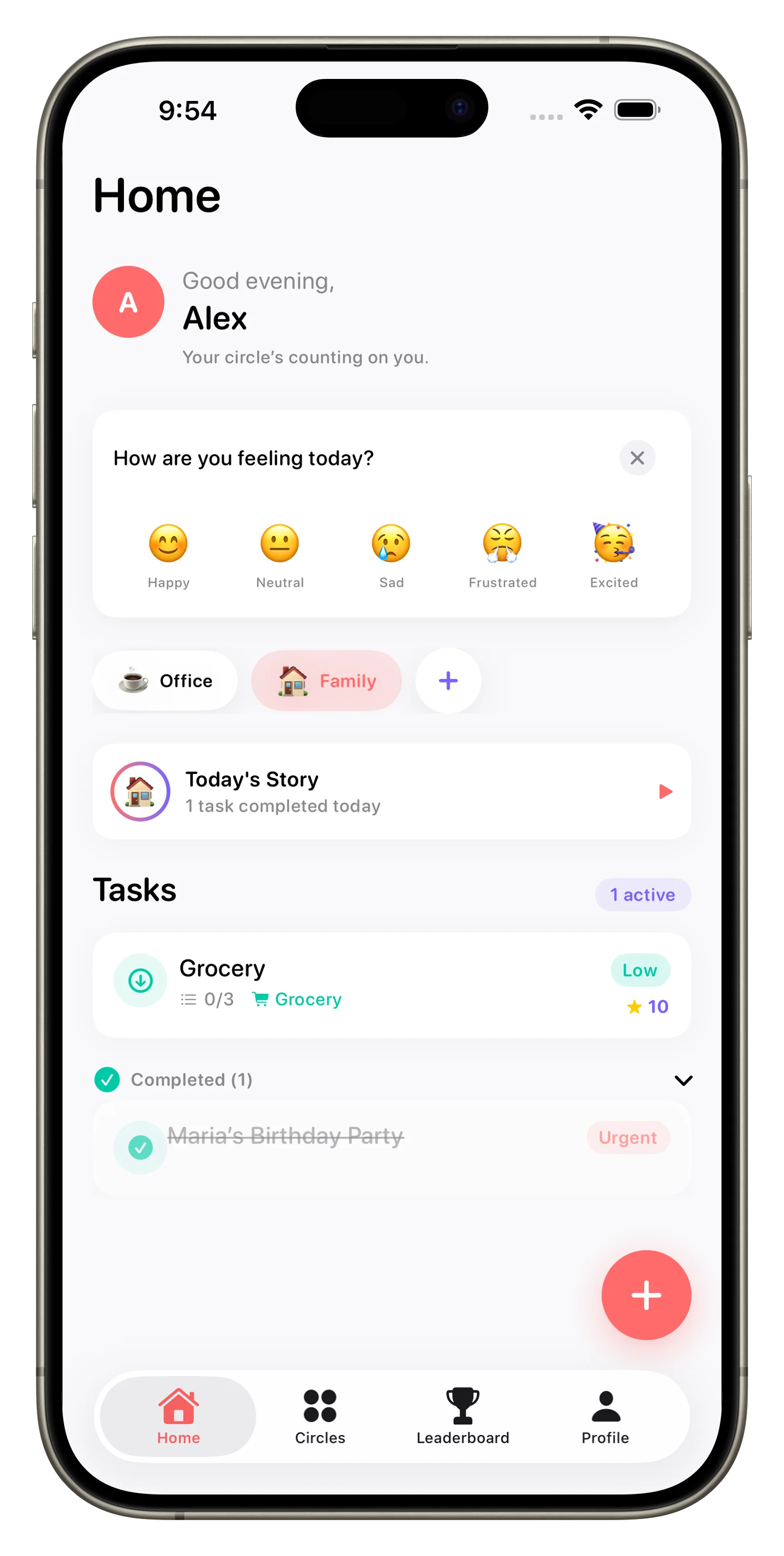
The same applied to chores. When her youngest saw that dishes were assigned but not yet claimed, he'd grab them—partly because of the streak he was building, but also because he could see the count. Two days done. Three if he finished today. That visible progress loop is what the app designers understood: people move when they can see the finish line. As we explored in how Loopd turns family coordination into a game, gamification isn't about manipulation. It's about making invisible work visible and acknowledging it when it happens.
The Leaderboard Effect
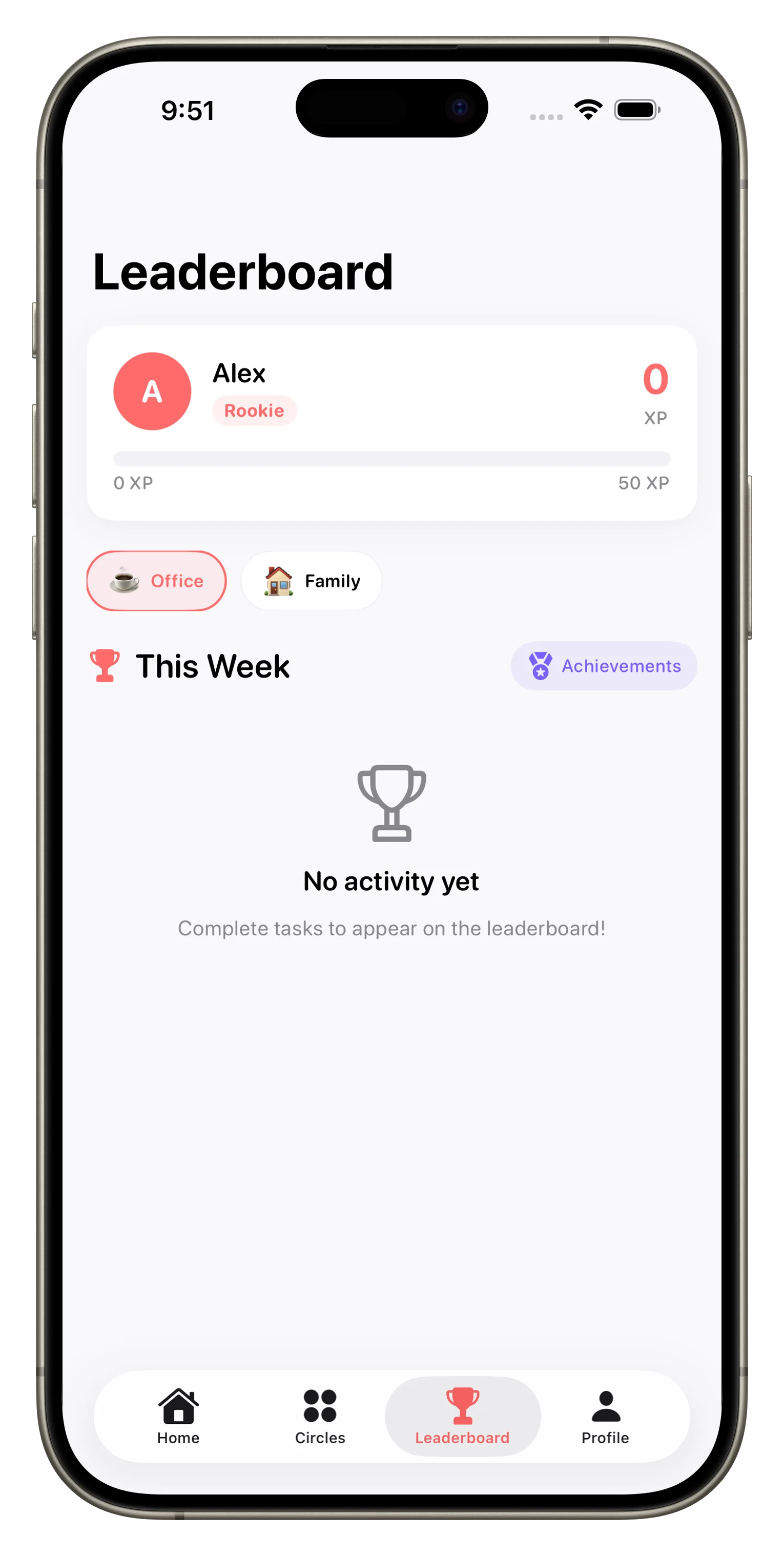
By week two, something unexpected happened. Sarah's teenagers weren't just completing their own tasks—they were noticing gaps. "Dad, the trash is overflowing," one of them said unprompted. Not to complain. Just to point it out. Because it was on the list. Because everyone was playing. Because it mattered to the score.
The leaderboard made chores competitive in a way that's actually healthy
Sarah realized she wasn't the only one tracking tasks anymore. The app was doing it. And more importantly, her family was doing it together. The burden shifted from her shoulders to a shared system that everyone had skin in.
Three Months In: What Changed
- The grocery list cut repeat purchases in half
- Dishes pile-up became rare—someone always claimed them first
- Arguments about who did what evaporated—it's all timestamped
- Her youngest asked to add more tasks to earn more XP
- Her partner initiated task creation instead of waiting to be asked
What Made the Difference
Loopd did a few things right that other task apps miss. First, it consolidated everything—chores, groceries, who's doing what—into one Circle instead of scattering tasks across multiple apps. Second, real-time sync meant no lag, no "did they see this?" Second-guessing. Third, the gamification layer didn't feel forced. XP and leaderboards appealed to Sarah's teens specifically, but the underlying value—knowing who did what and when—worked for everyone.
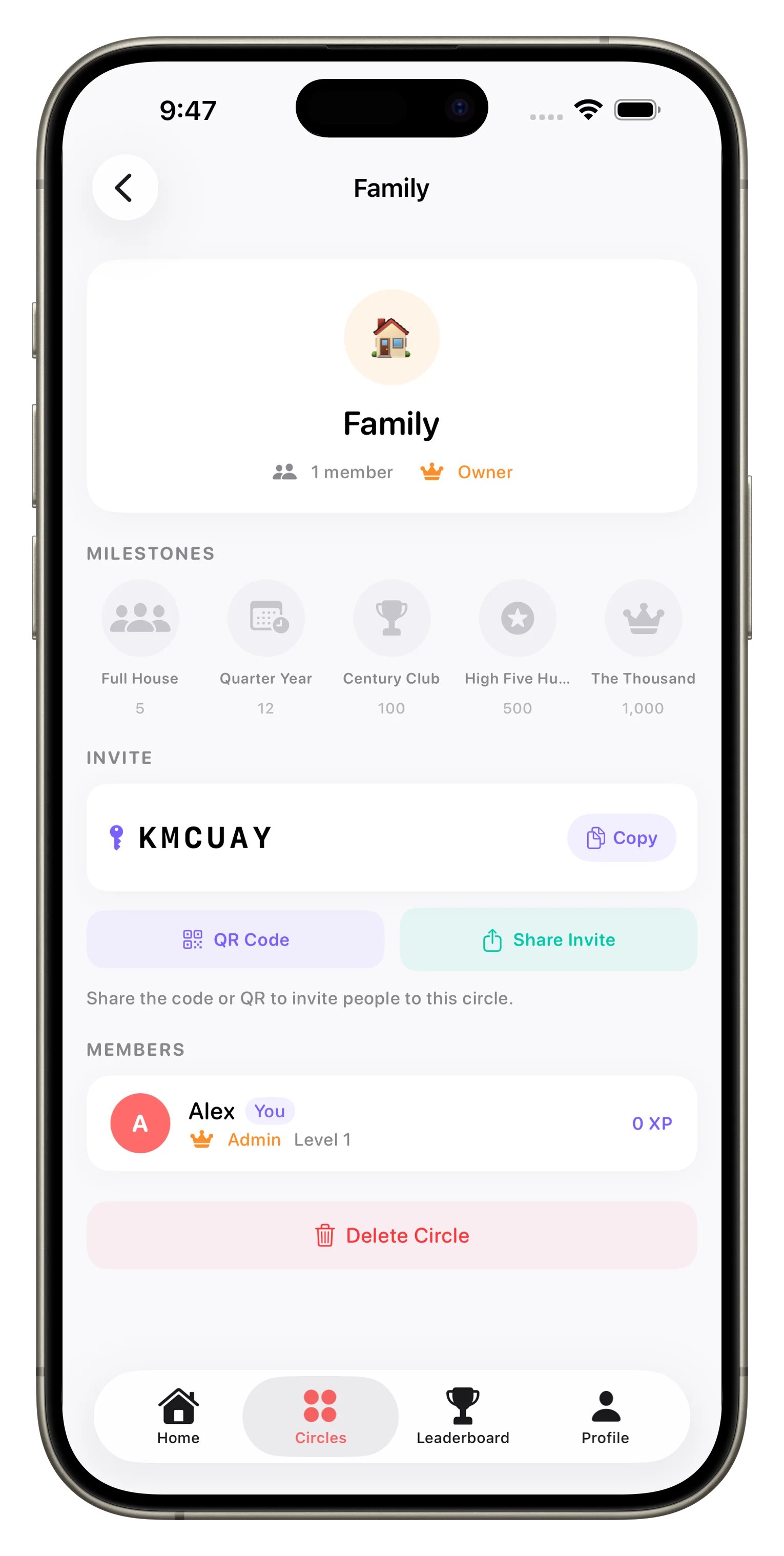
There's no algorithm here. No AI deciding what's important. Just a shared space where a family knows exactly what needs doing and can see it getting done in real-time.
This article was drafted with AI assistance and reviewed by a human editor before publishing.