Shared task lists have a reputation problem. They start full of optimism—everyone's committed, updates flow in real time—and end up neglected on someone's home screen. Loopd takes a different approach. Instead of pretending that task management is inherently fun, it leans into what actually works: clear ownership, small wins, and gentle peer presence. The result is an app that feels less like a chore tracker and more like a system that helps groups actually stay coordinated.
What Loopd Does Well
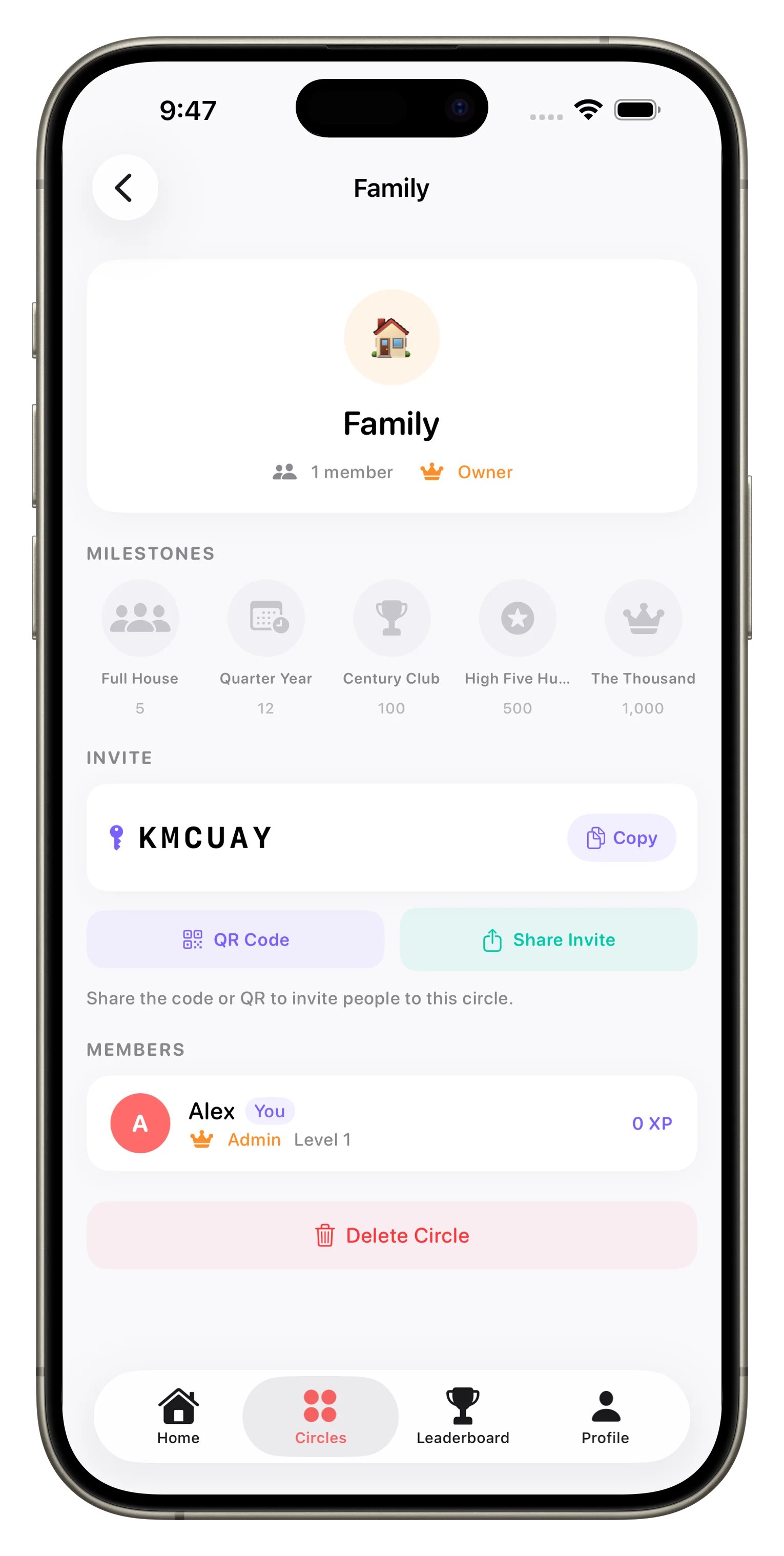
At its core, Loopd handles the fundamentals cleanly. You create a Circle—a group space for family, roommates, or close friends—then add tasks that anyone can see and claim. Real-time sync means when one person marks the laundry done, everyone knows it immediately. No refreshing, no confusion about whether something's been handled.
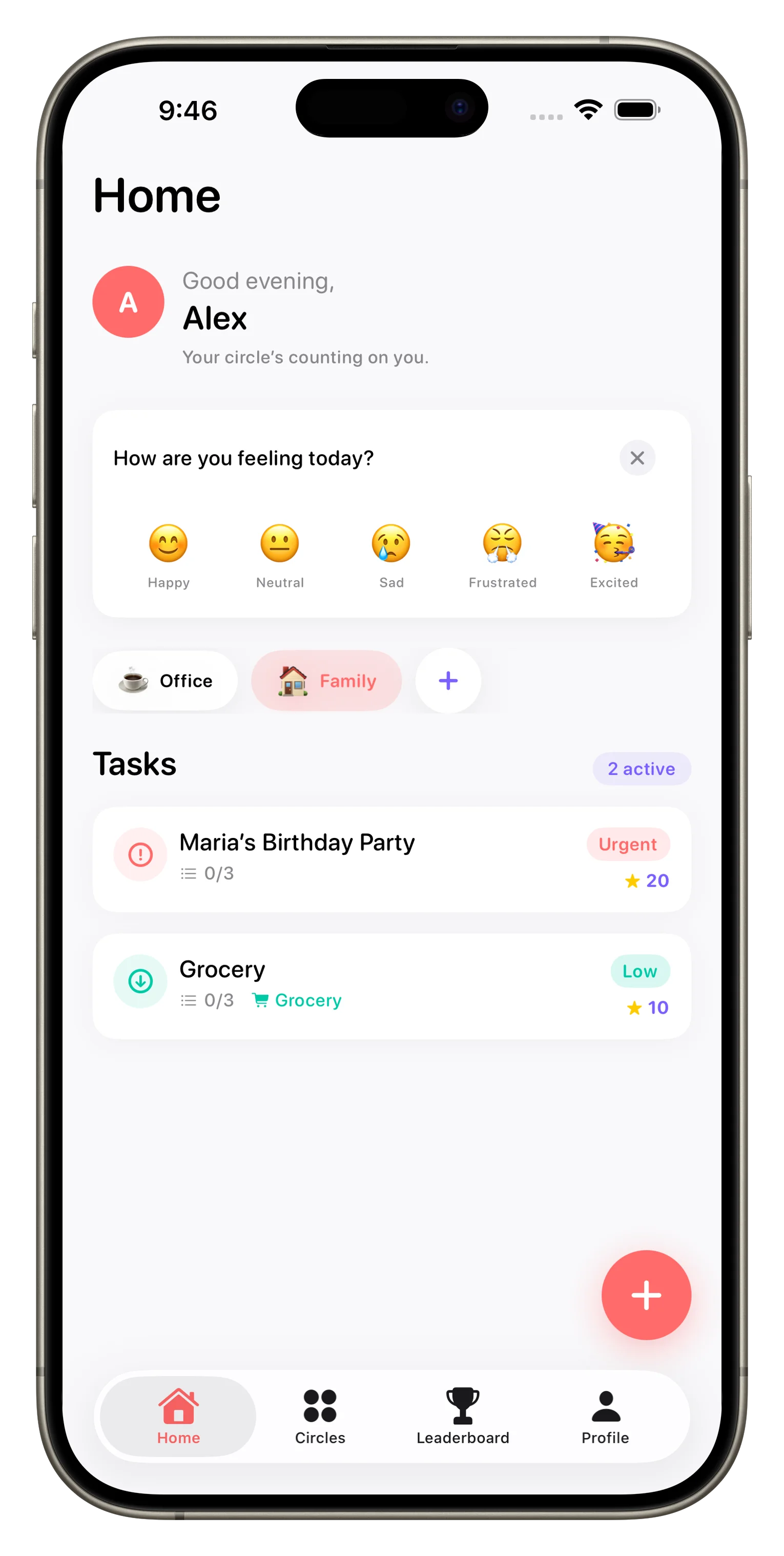
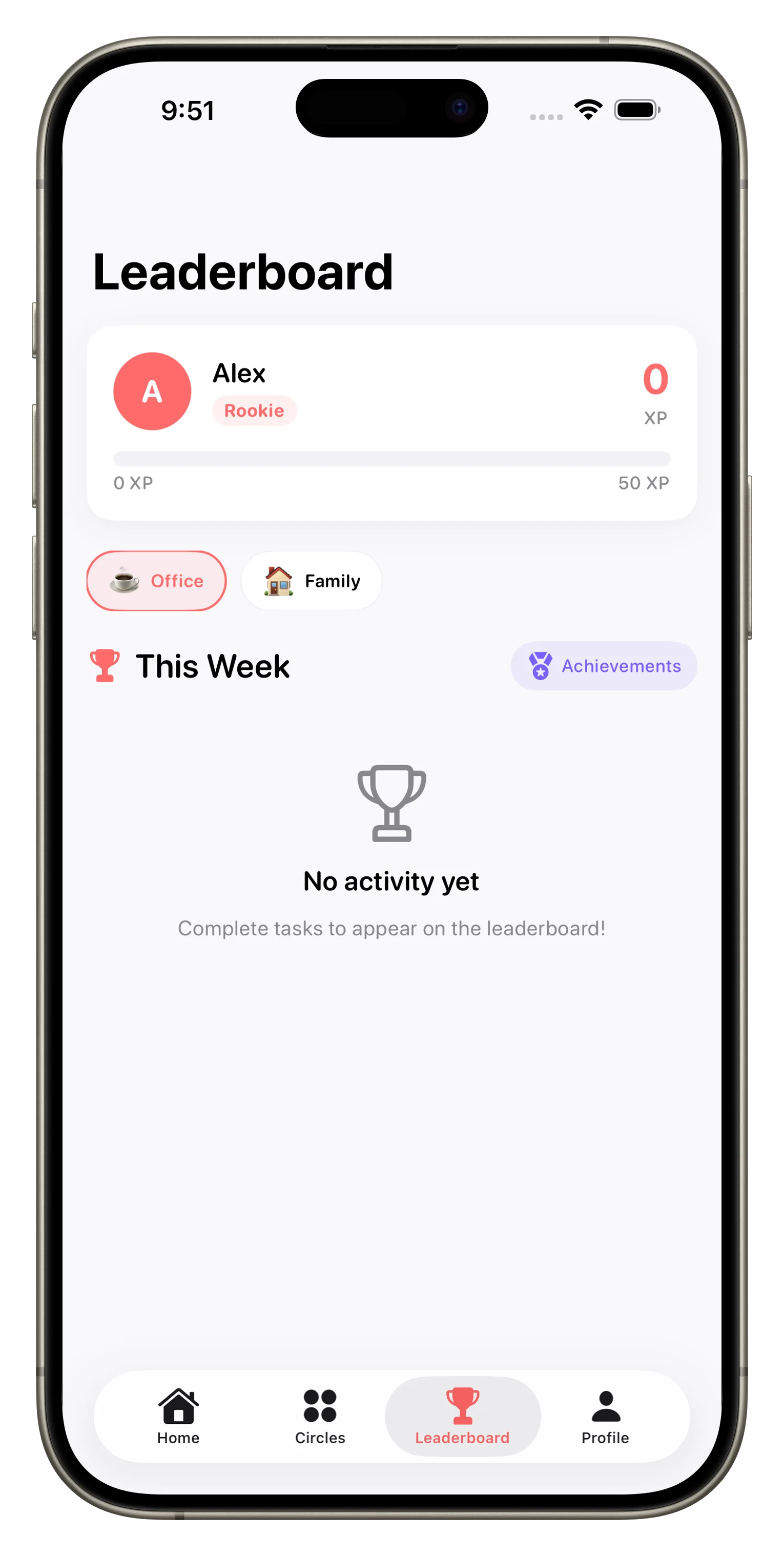
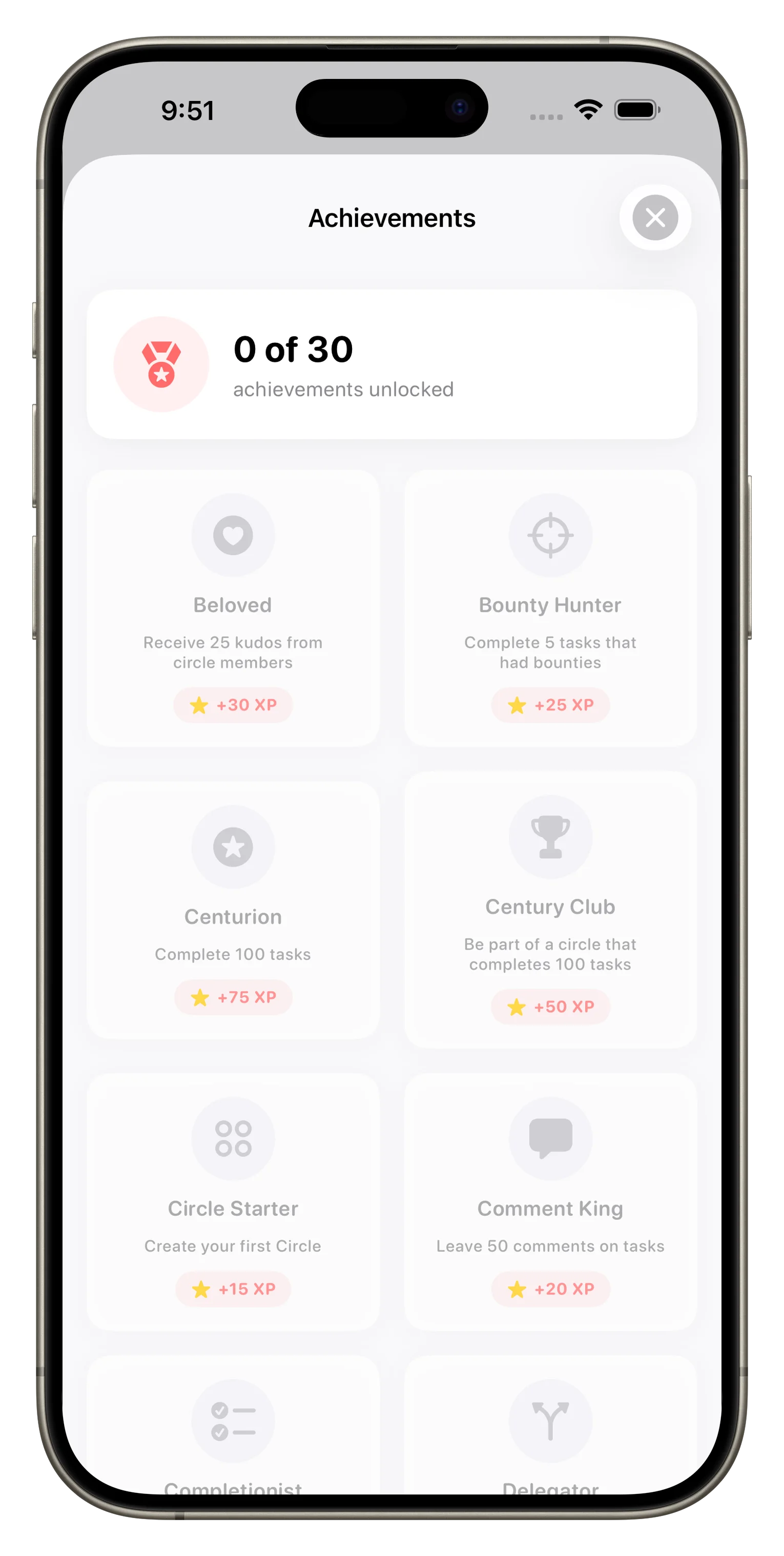
The gamification layer is where Loopd separates itself. You earn XP for completing tasks, build streaks for consistency, and unlock achievements. It's not heavy-handed—there's no forced competition or embarrassing notifications—but it's present enough to give small dopamine hits when you follow through. Leaderboards exist but aren't pushy; they're there for groups that want them and easy to ignore if you don't.
Communication happens in context. You can comment on tasks, attach photos (helpful for "is this clean enough?"), and mention specific people. It keeps coordination in one place instead of scattered across text threads. The interface is clean enough that adding a comment doesn't feel like work.
Who This Is For
Loopd works best for households that already talk regularly and want structure without bureaucracy. Families with teenagers, roommate groups, and couples splitting household duties are the sweet spot. It assumes some baseline trust—you're not managing someone who refuses to participate—and that everyone has a phone.
It's not a nanny system. It's a coordination tool for groups that want to stop forgetting what needs doing.
If you're looking for parental controls or strict accountability tools, the Family plan adds those—shared billing, kid-friendly UI, parental oversight. But the core app works best when everyone's in it by choice, not obligation.
What Takes Adjustment
Loopd's gamification appeals to some households and feels unnecessary to others. If your group isn't motivated by streaks and leaderboards, that layer becomes visual clutter. You can mostly ignore it, but it's always there. The achievement system is cute but generic—unlocking badges for "completed 10 tasks" won't move the needle for people who aren't wired for points.
Adoption requires everyone to actually use it. If one person doesn't open the app, tasks don't get assigned and updates don't flow. Loopd can send reminders, but it can't force engagement. That's not a flaw—it's honest. Any shared system has this problem. But it's worth knowing going in.
The free tier is genuinely useful: one Circle with up to 3 members and 20 active tasks. That's enough to test whether the app fits your household's rhythm. Paid plans unlock unlimited Circles and members, location-based reminders, and templates. Most households will be fine on free; larger families or people coordinating multiple groups will want Plus or Family.
Why This Approach Works
The reason Loopd feels different isn't that it invented task management. It's that it admits what other apps pretend not to: that coordination is social, not just functional. Seeing your teammate's name next to a task matters. Getting a small acknowledgment for following through matters. An activity feed showing who did what last matters more than most task apps acknowledge.
For households looking to stop the recurring "did you remember to..." conversations, Loopd offers a thoughtful alternative to generic to-do apps. If you're considering shared task solutions, understanding how Loopd's gamification actually drives engagement helps decide if it's right for your group.
Final Verdict
Loopd doesn't pretend task management is fun. It just makes it less painful and more social. For households that want a shared system that actually gets used—and doesn't feel like corporate project management—it delivers. The free tier is worth trying. If your household sticks with it past two weeks, the paid plans are reasonably priced.
This article was drafted with AI assistance and reviewed by a human editor before publishing.