How do you focus when studying alone
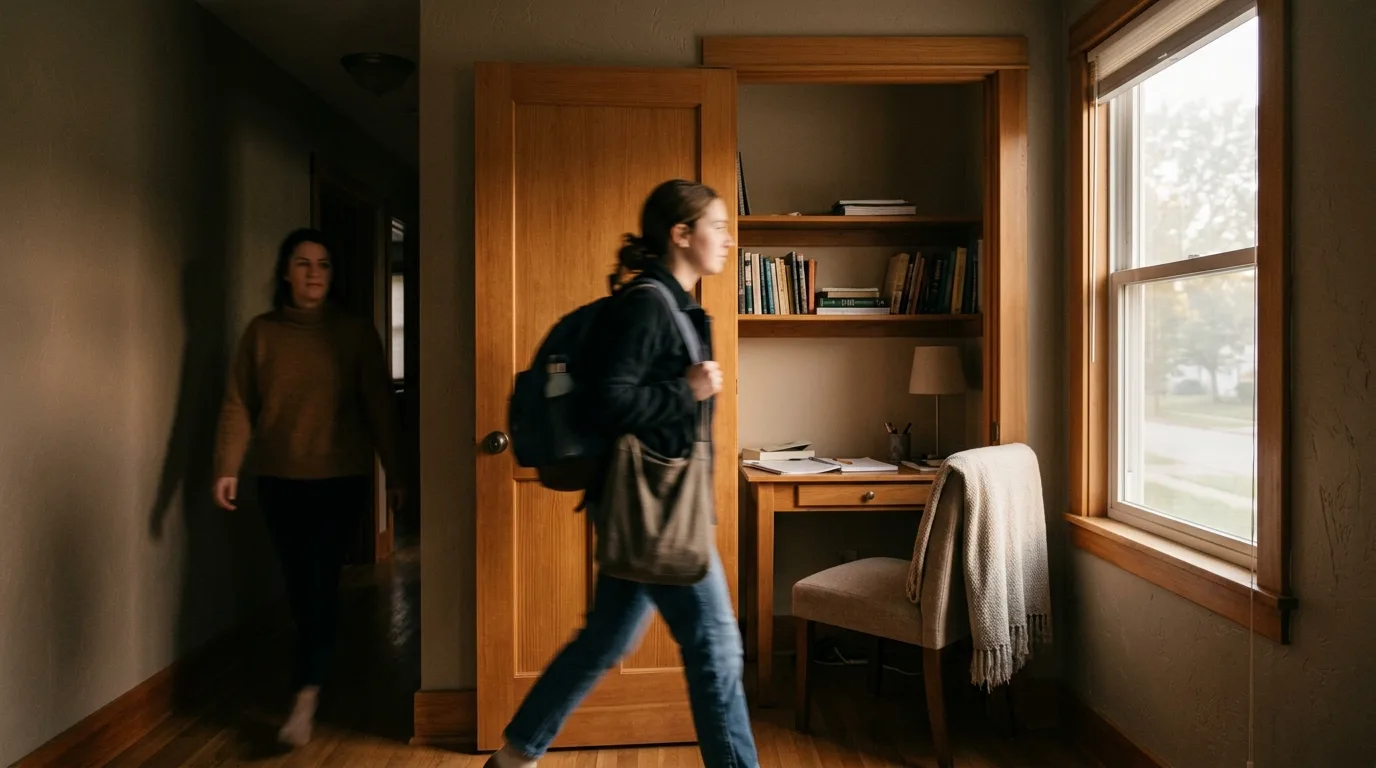
You sit down to study alone and within four minutes you're refolding a laundry pile that wasn't even your job. This isn't a discipline problem. Plenty of research on productivity and plenty of personal experience point to the same thing: humans focus better in the presence of another person, even when that person isn't doing anything to help directly. The trouble is that a study partner isn't always available, and a video call with strangers can feel like more effort than the studying itself. Here's how to get the focus benefit of company without any of the coordination.
Why is studying alone so hard to sustain
Studying alone is hard to sustain because there's no social pressure keeping you on task, and your brain treats an empty room as low-stakes. When no one can see whether you're working or scrolling, the cost of drifting off feels small, so you drift. That's not a character flaw. It's why libraries, coffee shops, and study groups have always worked better than a bedroom desk, even though nobody at the library is actually checking your notes.
What is body doubling and why does it work
Body doubling is the practice of working alongside another person's presence to make starting and sustaining a task easier, even if they're doing something unrelated. It works because presence lowers the activation energy for getting started and raises the small, ambient accountability that keeps you from drifting. What is body doubling gets into the mechanics in more depth, but the short version is: a plain timer tracks minutes, a body double changes how those minutes feel.

A timer tells you time is passing. A companion tells you someone else is spending it the same way you are.
How do you start a study session with a companion
You start by opening Locked In, choosing a vibe that matches your mood, and setting how long you want to lock in. There's no camera, no waiting room, no video call to join. Your companion checks in a few times over the course of the session, so you're never staring at a silent timer wondering if you're doing this right.
Step 1: Pick your vibe
Step 2: Set your time
Step 3: Lock in and let the check-ins happen
How long should a solo study session be
There's no single right length, but shorter, well-matched sessions tend to beat one long marathon block, especially when you're studying alone and building the habit back up. How long should a focus session be breaks down the tradeoffs between 25, 50, and 90 minute blocks, but the practical answer is: start with whatever length you can finish without checking your phone, then extend it once that feels easy.

How do you keep your streak going without burning out
You keep a streak going by making the daily bar low enough to clear on your worst day, not your best one. Locked In's streak and daily locked-in log exist to make consistency visible, but the goal is a chain you don't have to think hard about maintaining — a short session on a rough day still counts, and still keeps things going.
- Studying alone in silence
- Free, but easiest environment to drift out of; no ambient accountability
- Studying with background music or video
- Reduces silence, but doesn't address the lack of presence; still easy to zone out
- Scheduled study-with-me livestream
- Real body-doubling effect, but requires matching a schedule and often a camera on your end
- Locked In ambient companion
- Body-doubling presence on demand — no camera, no scheduling, checks in as you work
Does an ambient companion actually replace a real study partner
It doesn't replace one, but it captures the part of a study partner that actually helps you focus: a felt sense that someone else is present and working. If you've ever gotten more done in a busy coffee shop full of strangers than at home alone, you already know this effect works even when the other people aren't interacting with you at all.
Common questions
Why can't I focus when I study by myself
What is a study with me app
Do I need to turn my camera on to use Locked In
Is Locked In free to use
How is a companion different from a regular Pomodoro timer
Will studying with a companion work for ADHD or trouble concentrating
If you're new to this whole approach, the beginner's guide is a good next stop before your first session.
This article was drafted with AI assistance and reviewed by a human editor before publishing.