
Maya had deleted four habit-tracking apps in three years. Not because they were bad — because of what happened every time she missed a day. The streak would reset to zero, the little flame icon would go dark, and something in her would quietly decide the whole thing wasn't worth restarting. She wasn't lazy. She just kept running into the same wall: one bad night of sleep, one deadline crunch, one missed Tuesday, and eighteen days of momentum would vanish like it never happened.
The myth that was setting her up to fail
Like most people, Maya had absorbed the idea that habits take 21 days to form. So when day nineteen fell apart, it felt like proof she was almost there and had blown it. What she didn't know is that the 21-day figure was never based on solid evidence in the first place. A 2024 systematic review of 20 studies and 2,601 participants found the real median time to reach habit automaticity is 59 to 66 days — with the mean stretching to 106 to 154 days, and individual variation running from as little as 4 days to as much as 335. The researchers' own recommendation: expect the process to take two to five months, not three weeks.
That number reframes everything. If a habit genuinely takes two months or more to settle in, a missed day on day nineteen isn't a failure — it's roughly a third of the way through a normal, expected process. The same review found that only 23% of participants in one included study ever reached the habit-formation threshold at all, which says less about willpower and more about how few tools actually account for the mess in the middle.
Starting over, differently
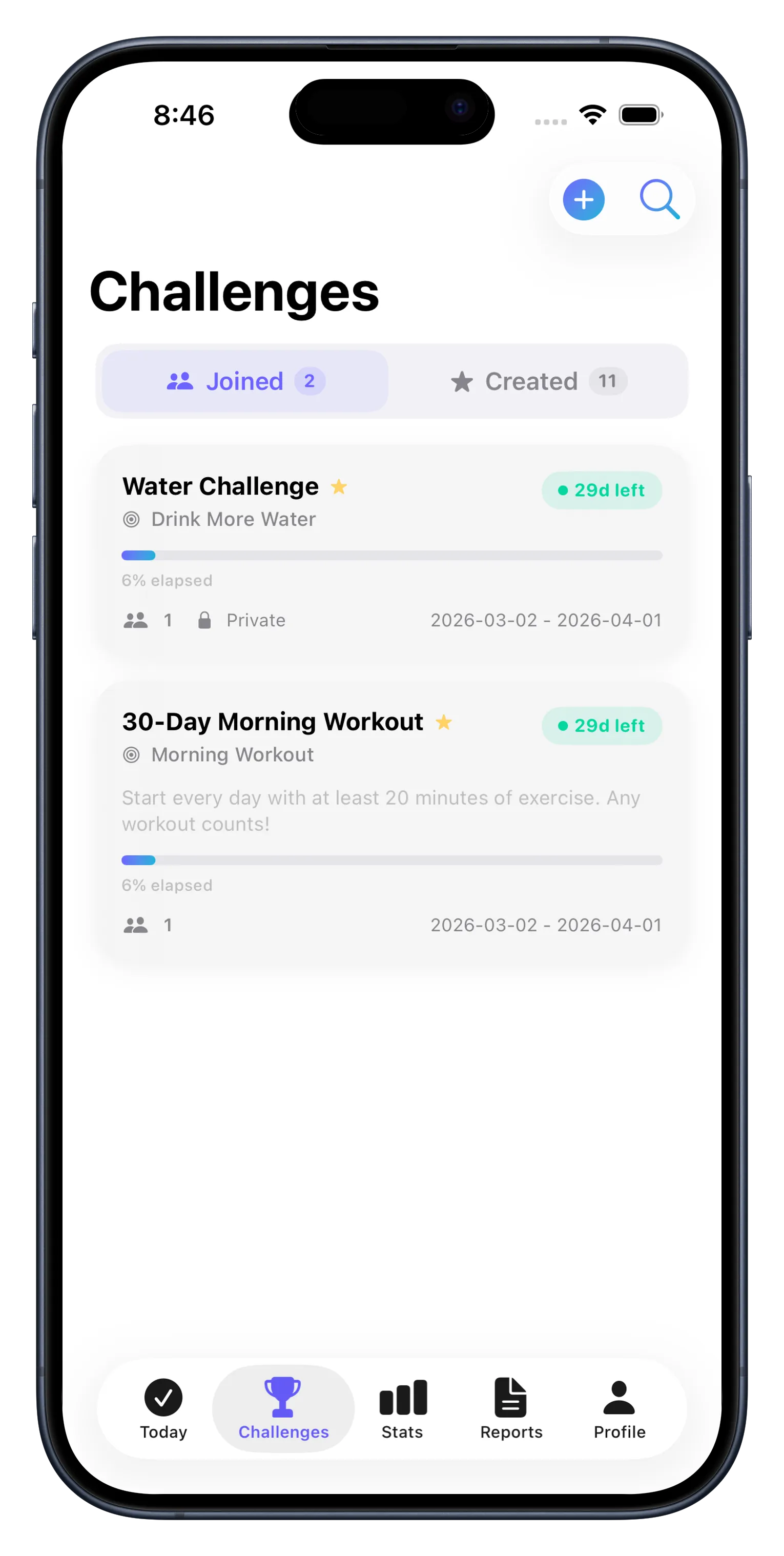
Maya's fifth attempt started with DailyPulse, mostly because a friend had been posting screenshots of a 30-day reading challenge in their group chat. She picked two habits to start: a 20-minute morning walk and ten pages of reading before bed. The first week looked almost identical to every other app she'd tried — a clean Today view, a progress ring, a tap to mark each habit done.
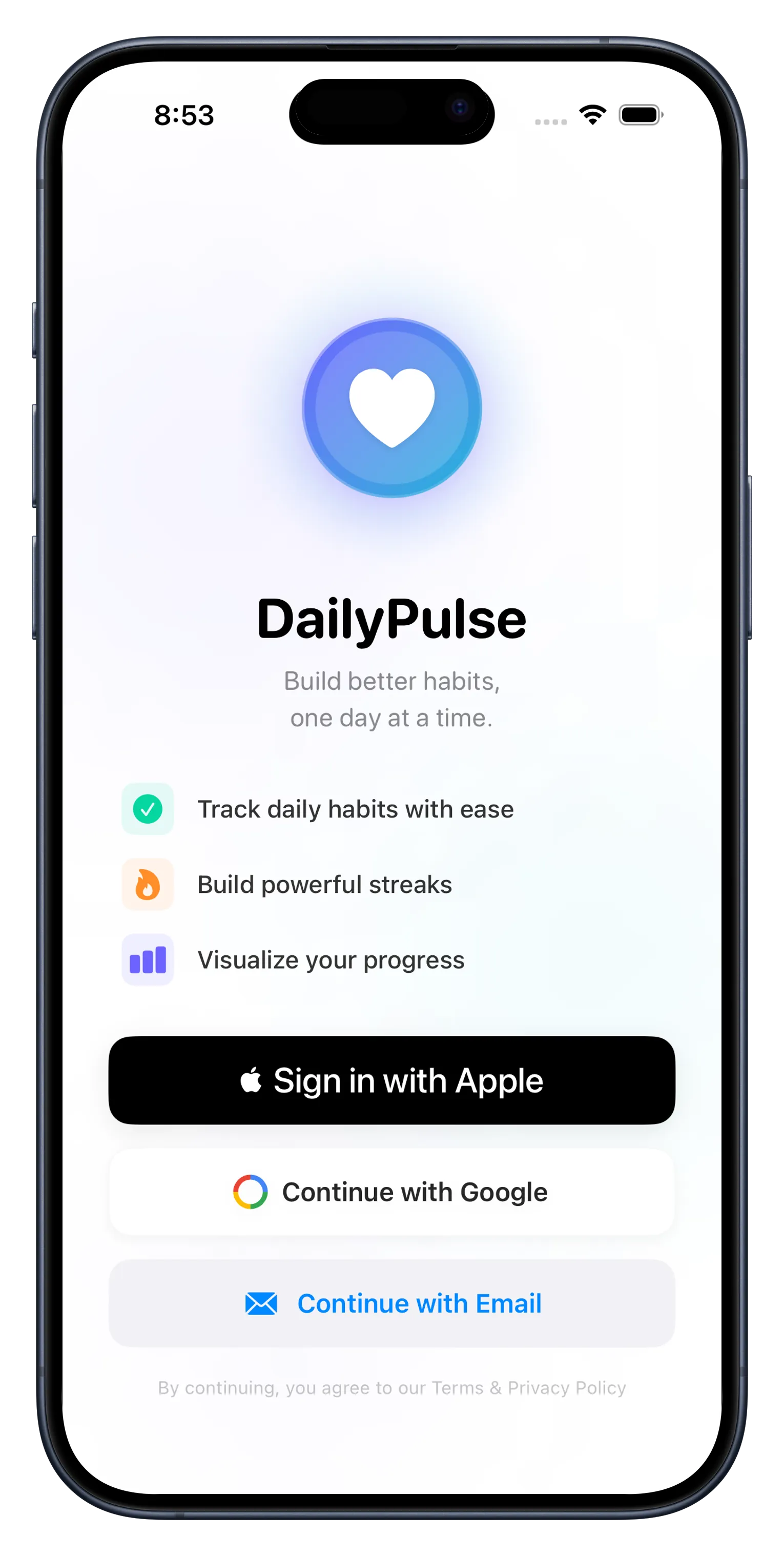
The difference showed up on day fourteen, when a work trip ate her whole schedule and she missed both habits for the first time. In every previous app, this was the moment she quietly stopped opening it. This time, she used a streak freeze — one of the perks that comes with unlocking everything in DailyPulse, alongside unlimited habits, a full heatmap view, PDF export, and iCloud sync. Instead of watching her streak drop to zero, it held. The next morning, she picked the walk back up like nothing had happened.
One missed day isn't the end of a habit. It's the part of the process nobody warns you about.
Watching the shape of her own consistency
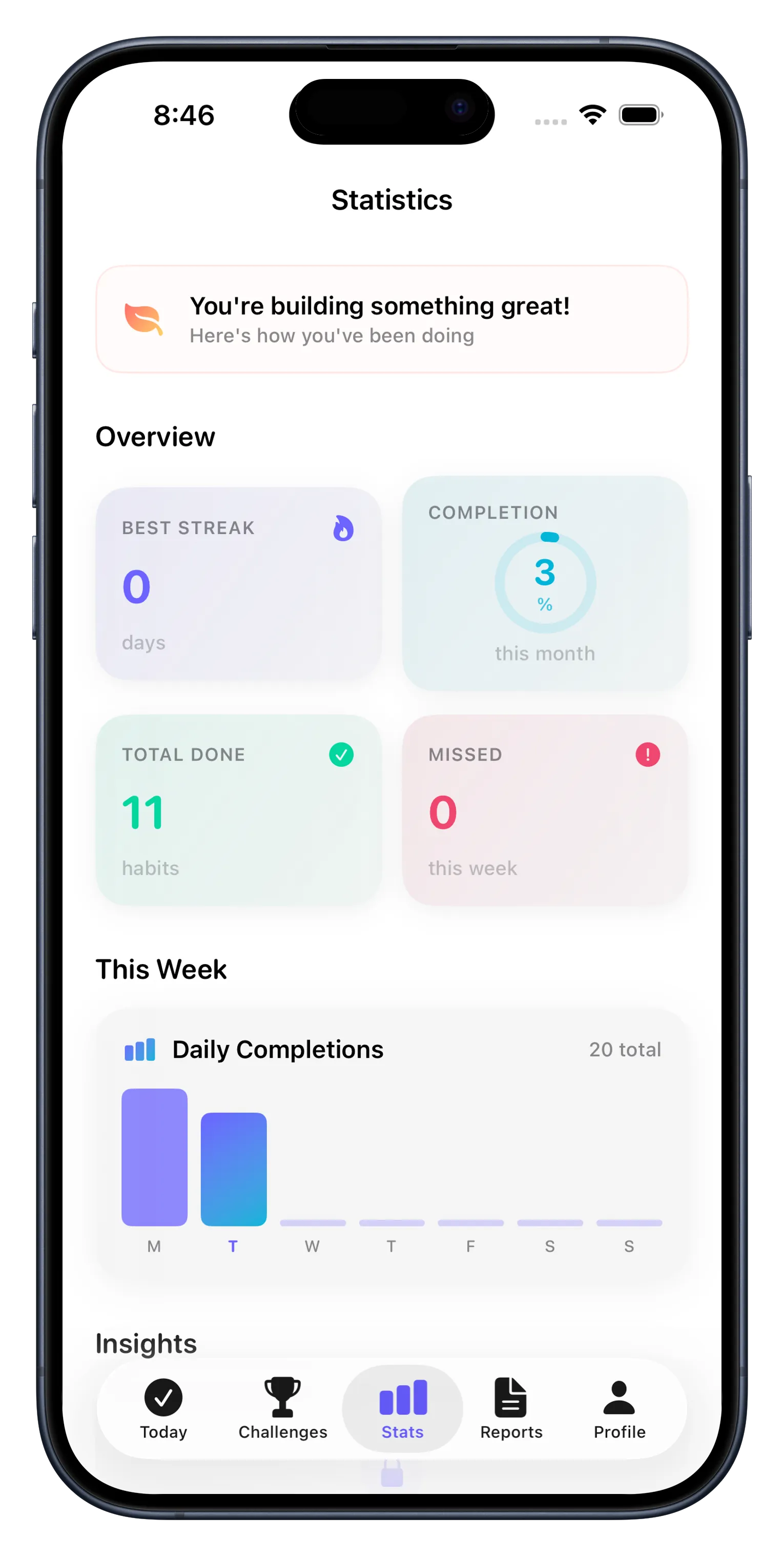
By week six, Maya stopped checking whether she'd broken anything and started checking the statistics view instead. Seeing her weekly completion rate — 71% one week, 85% the next — told her more than a binary streak count ever had. A single missed Tuesday barely moved the needle. That shift, from all-or-nothing to trend-watching, is close to what the research on sustainable habit building actually recommends: judge the pattern, not the day.
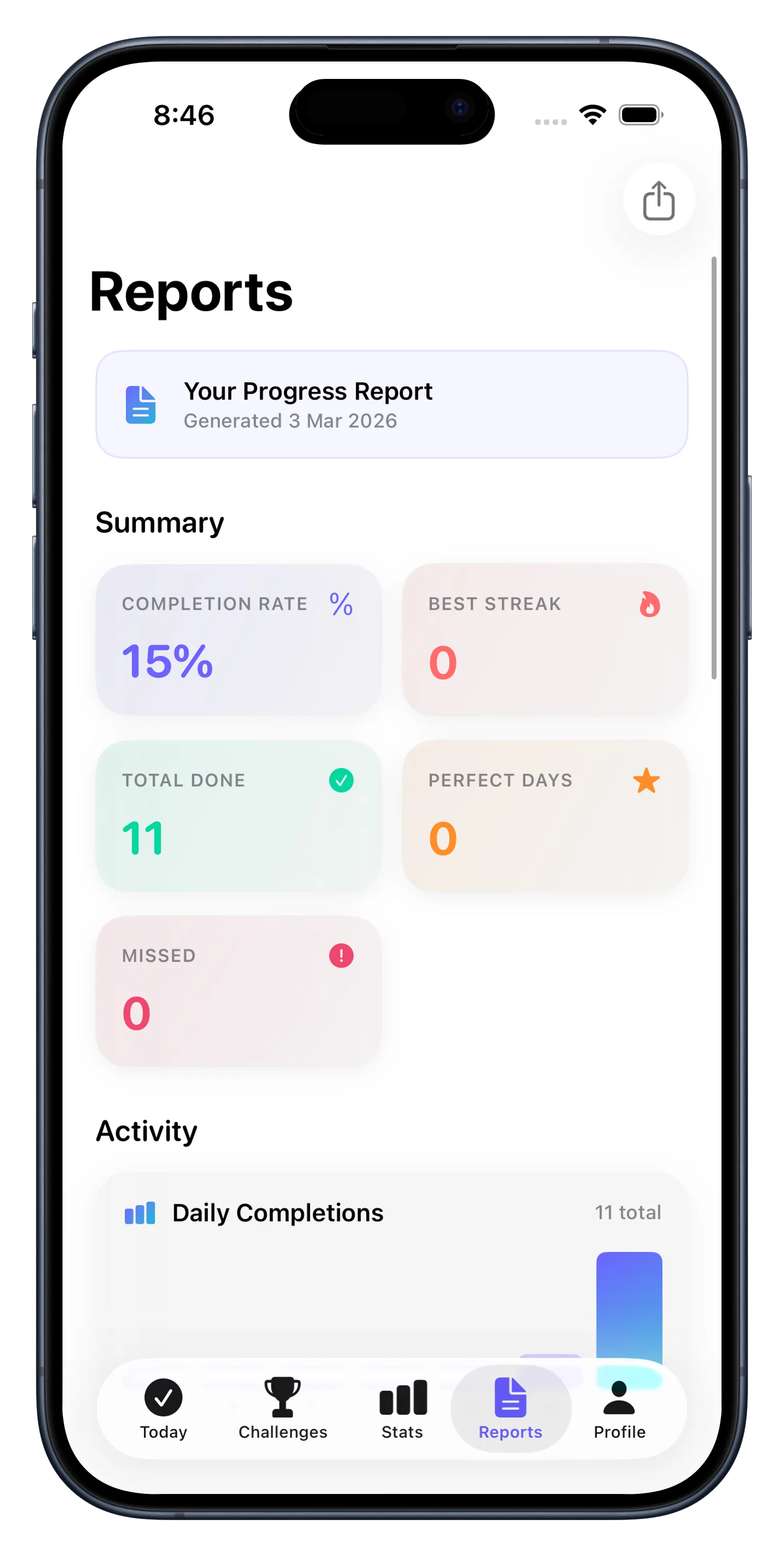
She also started reading the detailed progress reports on Sunday nights, a small ritual that replaced her old habit of doom-scrolling her missed days. Seeing completion rates and activity logs laid out plainly made it obvious that her mornings were far more reliable than her evenings — reading before bed lagged consistently behind the walk. That tracked with what researchers found too: the same 2024 review noted that morning practice tends to form stronger habits than evening practice. Maya moved her reading to lunch instead of fighting her own biology.
Why the group chat mattered more than she expected
The 30-day reading challenge her friend had started turned out to be the piece Maya hadn't known she needed. Watching three friends check in daily didn't feel like competition so much as company. That instinct has research behind it: a 2026 study across eleven experiments found that people are more motivated by hearing a short run of others acting in a row — "five people just did this" — than by hearing a percentage, because a visible streak of real people makes your own contribution feel like it matters to whoever comes next. It's a subtle distinction, but it's why group challenges tend to outperform solo tracking for people who stall out alone.
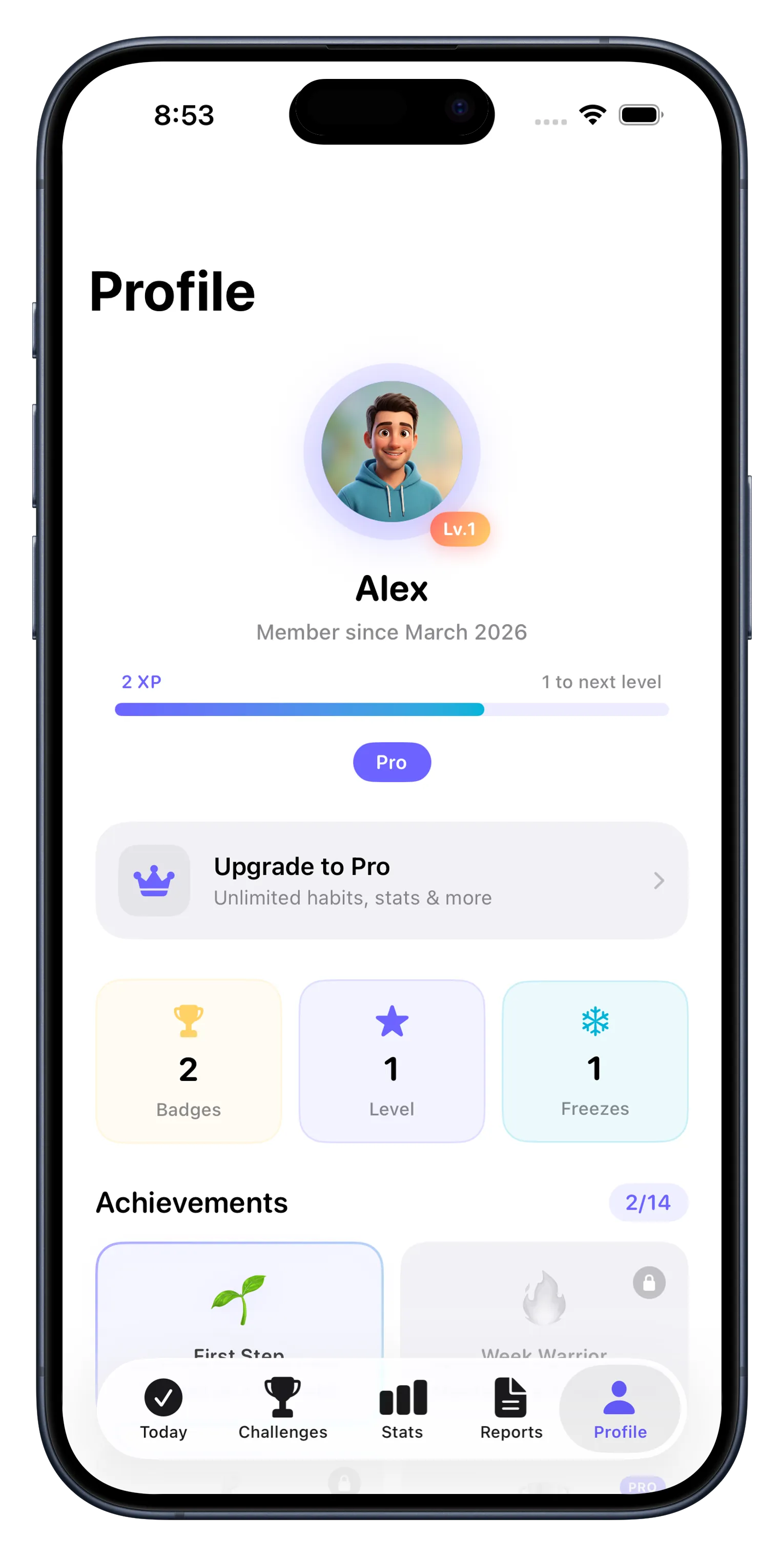
By day sixty, close to the median the research points to, both habits had stopped feeling like tasks. The walk happened before she'd fully woken up. The reading happened on autopilot at lunch. She'd unlocked four of the app's 14 achievements along the way, which she admits mattered more than she expected — a small badge for a two-week streak felt like proof of something on the days progress was otherwise invisible.
What actually changed
Nothing about Maya's willpower was different this time. What changed was the tool matching the real timeline instead of the mythical one. Free, DailyPulse lets you track up to three habits with full streak tracking and challenges, which is more than enough for someone testing whether tracking works for them at all. Unlocking everything adds unlimited habits, the heatmap, PDF export, streak freeze, and iCloud sync — the streak freeze specifically being the feature that kept Maya's sixty days from turning into another deleted app.
- Pick one or two habits you actually chose yourself, not ones you feel obligated to do
- Expect the process to take 59-66 days on average, not 21
- Treat a missed day as data, not a failure — use a streak freeze if one is available
- Check weekly trends instead of daily perfection
- Join or start a challenge with a friend if solo tracking keeps stalling
If you're deciding where to start, the getting started guide covers the setup in a few minutes, and the full archive of DailyPulse articles goes deeper on statistics, reports, and challenge mechanics if you want to see how far the free tier takes you before deciding whether to unlock the rest.
Sources
This article was drafted with AI assistance and reviewed by a human editor before publishing.