
What to bring to a parent's doctor appointment
This list is for the adult child driving a parent to the doctor. It's split into what you bring every time and what only some visits need. Pack it in one sitting the night before, then check items off at the door.
Quick checklist: what to bring to a parent's doctor appointment
These go in the bag every time. Keep a printed copy in the folder and a copy somewhere your siblings can see it.
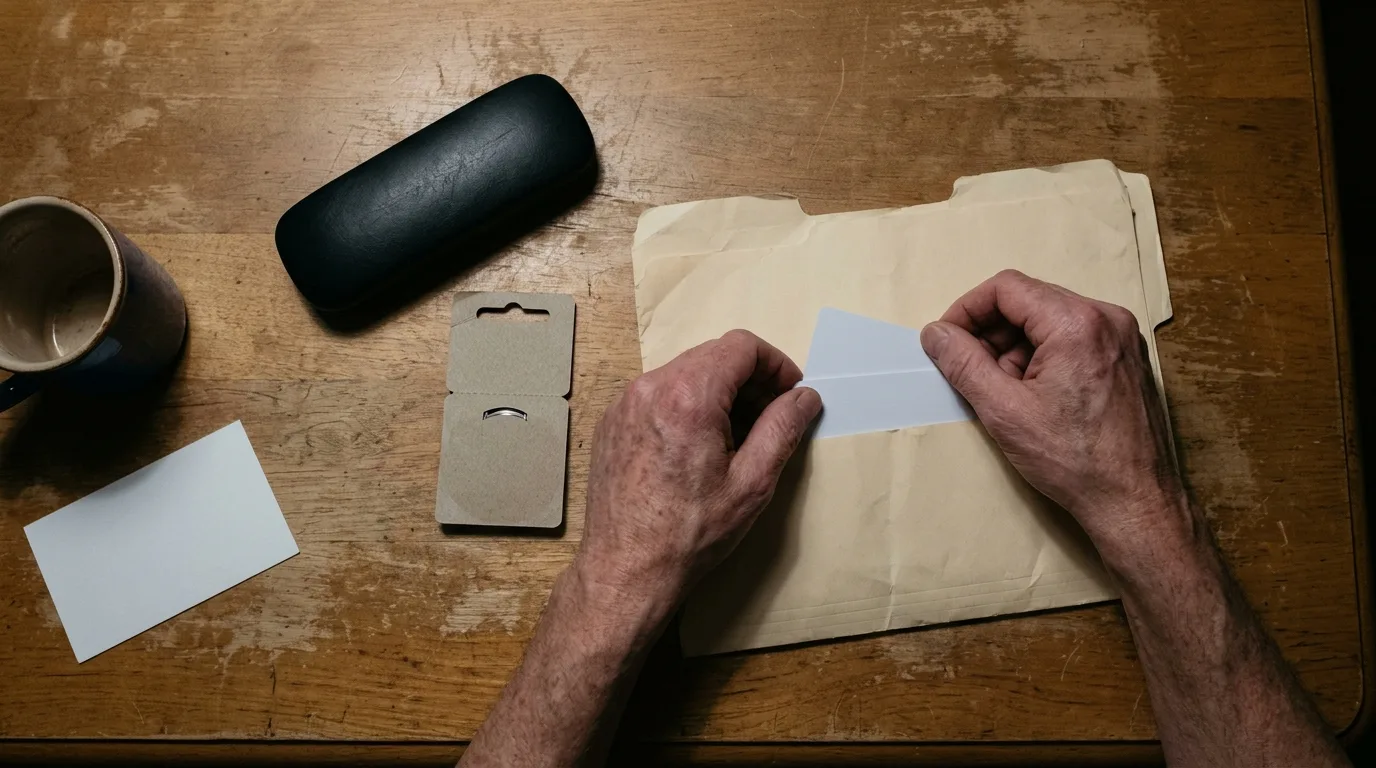
- Photo ID for your parent, if the clinic asks for one
- Insurance and Medicare cards for every active plan
- A printed medication list or all current medication bottles
- Spare glasses, hearing aid batteries and the mobility aid, already in the car
- Your top three questions on one index card, most important first
- The emergency contact's number and the numbers of your parent's other doctors
What papers and permissions should you get on file with the clinic?
Clinics vary in what they ask for. The National Institute on Aging suggests bringing insurance cards and other doctors' contact details. It also suggests asking the office to send forms ahead so you can fill them in at home (NIA).
- All insurance cards, pharmacy coverage cards and a photo ID
- A printed copy of any recent hospital or ER discharge summary
- A copy of the living will or advance directive, if your parent has one
- A signed HIPAA authorization for this clinic, if you have one
- Intake and consent forms, which you can ask the office to email before the visit
Should you bring medication bottles or a list to a parent's appointment?
The NIA says to bring a list of every prescription, over-the-counter drug, vitamin and supplement, with the name, dose and schedule for each. If your parent's medications are tracked in the iPhone Health app, you can export that list as a PDF and print it. That helps when you can't gather every bottle (Apple Support).
- Every prescription in its original labeled bottle, if you can collect them
- One printed list showing dose, how often, and who prescribed it
- Supplements and over-the-counter drugs on that same list
- A highlight on anything a specialist prescribed
- Recent home readings, such as blood pressure or glucose, with the date and time of each
Small items that keep your parent comfortable and in the conversation
If your parent can see the forms and hear the doctor, they can answer for themselves. These items also help the clinician judge how your parent is managing day to day.
- Glasses that work, reading glasses, or a contact lens case
- Charged hearing aids, with fresh batteries in a small bag
- Their cane, walker or other mobility aid
- A light snack and water, in case of a blood draw or a long wait
- A sweater or blanket, because exam rooms often run cold
Extra items for a new patient, specialist, after a hospital stay or telehealth visit
Add only the line that matches this appointment.

- New-patient visit: a printed problem list and notes from past clinics
- Specialist: recent test results, imaging CDs or reports
- After a hospital or ER stay: the discharge summary and any medication changes
- Medicare wellness visit: a list of falls, memory concerns and changes at home
- Telehealth: the device charger, earbuds and any forms the portal asked for
After the visit: share notes, assign tasks and keep one folder
Write a short summary before you leave the parking lot, while the details are fresh. Siblings who weren't there can then catch up without phoning you one by one. Keep new prescriptions and summaries in one shared place. For options, see our guide to family caregiving organizer apps for iPhone.
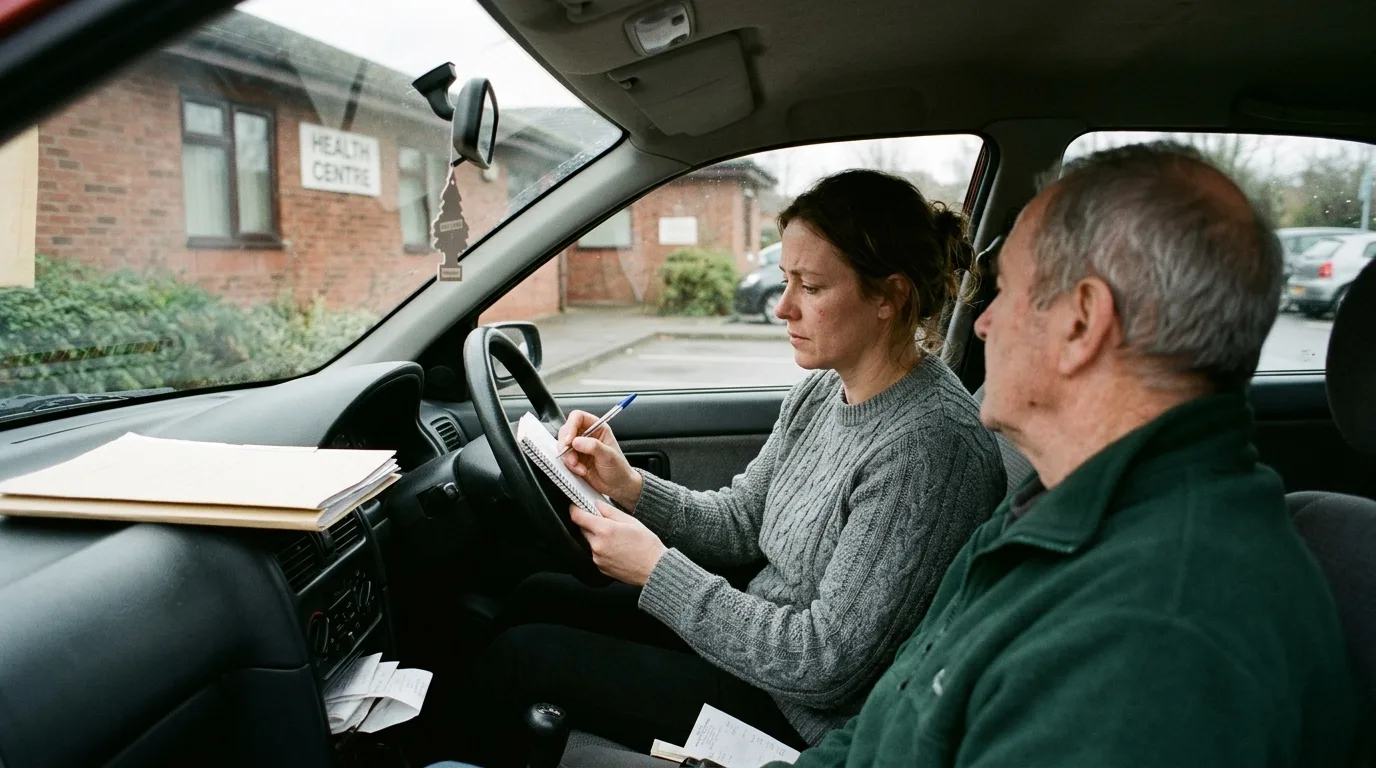
- A three-line summary covering the diagnosis, new medications or changes, and next steps
- One follow-up task with a deadline, such as booking a test or ordering a refill
- The next appointment in a shared calendar, with the name of who's going
- New prescriptions and the summary uploaded to the family folder
- A text to siblings who weren't there with the three key outcomes
Common questions
Do I need a HIPAA form so the doctor can talk to me?
Should I bring all medication bottles or just a list?
How do I raise memory or falls without embarrassing my parent?
Sources
- Caregiving in the US 2025: Family Caregiving Across States
- Taking Someone to a Doctor's Appointment: Tips for Caregivers
- Does the HIPAA Privacy Rule permit a doctor to discuss a patient's health status, treatment, or payment arrangements with the patient's family and friends?
- Track your medications in Health on iPhone - Apple Support
This article was drafted with AI assistance and reviewed by a human editor before publishing.