
Late fees rarely happen because someone is careless. They happen because a payment date lived in the wrong place — a text thread, a mental note, an app that showed the due date but not the moment it actually mattered. BillWise was built around a simple bet: if you fix the timing problem and make on-time payment feel rewarding instead of just responsible, people stick with it.
The Real Problem Isn't Forgetfulness
Most people who miss a payment didn't forget they owed money. They forgot exactly when it was due, or they paid a day after a credit card's billing cutoff and got charged interest on a balance they thought they'd already covered. The gap between "I know I have a bill" and "I know precisely when this stops being free" is where most late fees are born. BillWise starts from that gap instead of assuming the problem is memory.
That's why the app isn't just a list with due dates. It's built to answer a more specific question for every bill: not just when is this due, but when does the clock actually start and stop. That distinction sounds small until it saves you a finance charge.
Cutoff-Aware Billing: The Detail Most Trackers Miss
Credit cards don't work like utility bills. There's a statement date, a cutoff, and a due date, and a payment made on the wrong side of the cutoff can land in the next billing cycle instead of the one you intended. Most bill apps flatten all of this into a single due date and call it done. BillWise treats credit cards differently on purpose, tracking the cutoff itself so a payment counts when it's supposed to, not just when it clears.
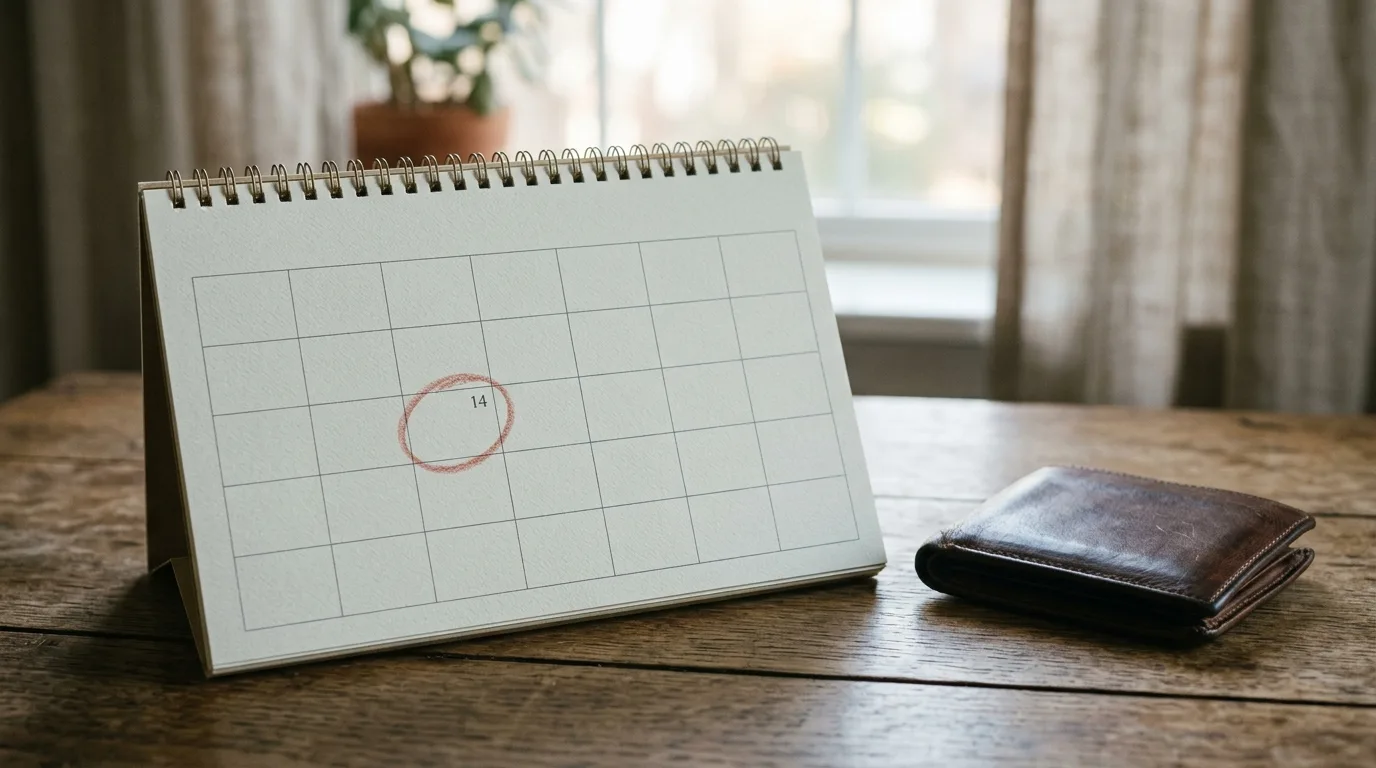
This is a deeper dive into a topic we've covered before — if you want the mechanics of how cutoff dates actually work and why they trip people up, this piece on tracking credit card cutoff dates walks through it in detail.
Payment Forecasting: Seeing Tomorrow's Bills Today
A bill tracker that only shows what's due today is a reminder app wearing a budgeting costume. BillWise's forecasting looks ahead, projecting what's coming due across the next stretch of days so you can see a rent payment, a card statement, and an installment lining up before they hit your account at once.
This matters because the moment a bill surprises you is almost always the moment it becomes a problem. The timing mismatch between when money is expected and when it's actually needed is the quiet cause behind a huge share of late payments — we go deeper on this in The Hidden Timing Problem Behind Every Late Fee.
A due date you see the morning of isn't a warning. It's a countdown that already started without you.
XP, Levels, and Why Gamification Isn't Just Cute
It would be easy to dismiss XP and levels as decoration on top of a spreadsheet. But the reason gamification works for habits like exercise and language learning is the same reason it works for bills: paying on time has no immediate reward. Nothing exciting happens when you pay early. The bill just... goes away. BillWise adds a visible signal — XP, streaks, a level that climbs — so the habit gets reinforced in the moment instead of only avoiding a penalty weeks later.

It's a small psychological trick, but an honest one. You're not being tricked into paying bills you don't owe. You're being given a reason to feel good about a task that's otherwise invisible when done right.
One Dashboard, Every Bill
Utilities, subscriptions, credit cards, and installment plans usually live in different apps, different emails, and different mental buckets. BillWise's smart dashboard pulls them into one view on purpose, because the moment you have to check three places to know if you're financially on track, you'll eventually check none of them.
- Smart Dashboard — a single view of what's due, what's overdue, and what's coming
- All Bills in One Place — utilities, subscriptions, credit cards, and installments together
- Payment Forecasting — see upcoming bills before they land
- Cutoff-Aware Credit Cards — track the date that actually matters, not just the due date
- Earn XP & Level Up — a visible reward for paying on time
- Smart Notifications — reminders timed to when they're useful, not just when a date arrives
If you're deciding whether a dedicated bill tracker is worth adding to your phone at all, this guide on what to look for in a bill tracker app for iPhone is a useful starting point before you commit to one.
How many bills can I track for free in BillWise
Common questions
Is gamification just a gimmick in a finance app
What makes cutoff-aware credit card tracking different from a normal due date reminder
Do I need to track every bill from day one
This article was drafted with AI assistance and reviewed by a human editor before publishing.