Deep dive articles
Every deep dive piece we've published — 33 and counting. For everything else, head back to the full blog.

How Bona Fide Turns Years of Photos Into One Visa Packet
Bona Fide reads the dates and places already sitting in your photos and chats, then turns them into a labelled, indexed PDF built for USCIS, Appendix FM or IRCC filings — entirely on your iPhone.
Read article
Why Crashout Calendar Measures Bills in Breathing Room, Not Panic
Crashout Calendar swaps red alerts and bank logins for one calm number: how much room you have until payday. Here's the thinking behind that design choice.
Read article
The Design Choice Behind Starling: Pictures Before Words
Starling is built on one idea: a child who can't read yet should still be able to run their own routine, start to finish, without a parent narrating each step.
Read article
Why MiseMate Treats Cooking as One Flow, Not Five Separate Apps
MiseMate's real feature isn't any single tool — it's refusing to let recipes, grocery lists, and meal plans live in separate apps. Here's the design thinking behind that.
Read article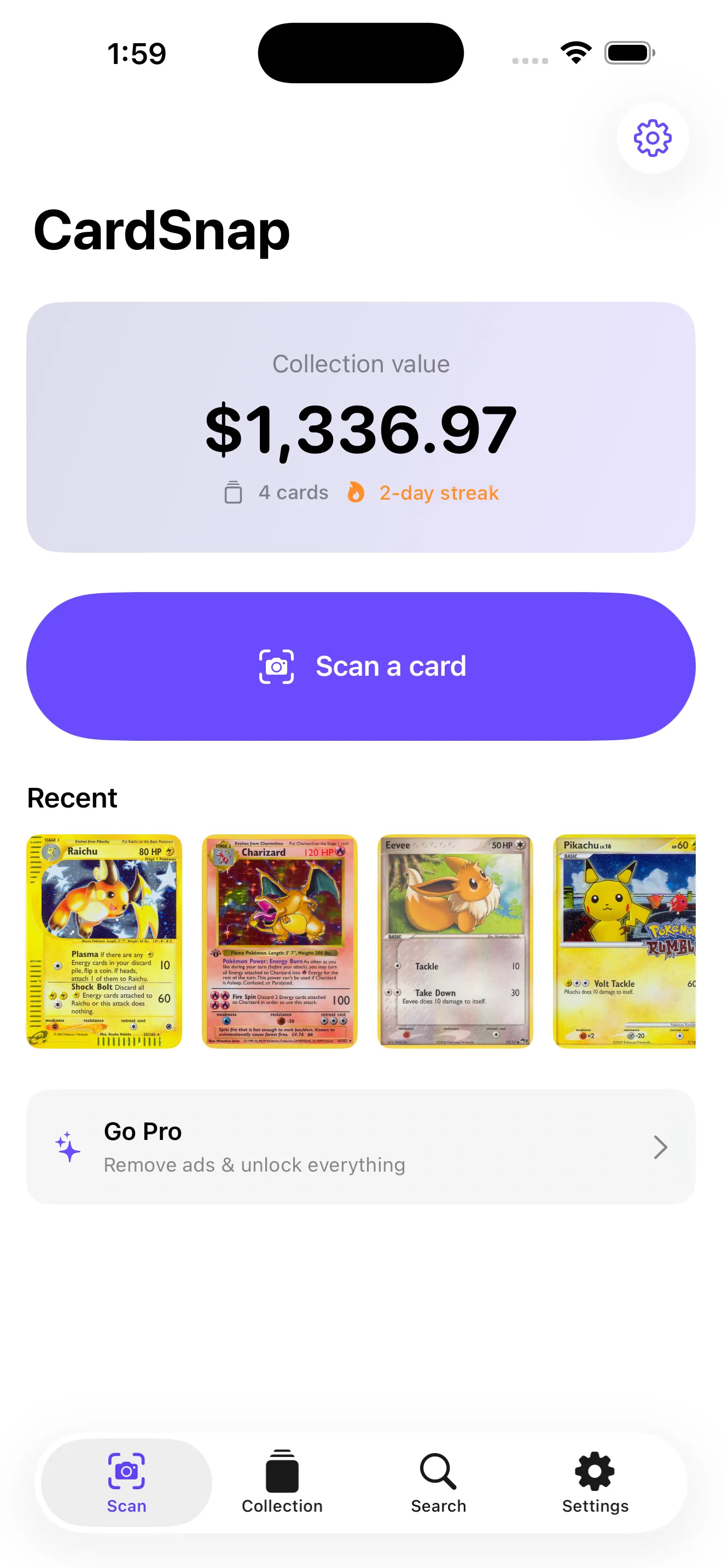
Why CardSnap Shows a Price Range, Not Just One Number
CardSnap never gives you one price for a card — it gives you a range, two markets, and a date. Here's why that's the more honest way to answer 'what's it worth'.
Read article
Why BillWise Turns Paying Bills Into a Game You Actually Win
BillWise treats on-time payment as a habit worth rewarding, not a chore to dread. Here's the thinking behind cutoff-aware billing, forecasting, and XP.
Read article
Why DailyPulse Limits You to Three Habits at Once
DailyPulse caps free tracking at three habits on purpose. Here's the thinking behind that constraint, and why it might be the reason your habits finally stick.
Read article
Why MoodLight Ditched the 1-10 Scale for Five Orbs Instead
MoodLight replaces the familiar 1-10 mood scale with five orbs — calm, bright, heavy, off, numb. Here's the thinking behind that choice, and why it changes how honest you actually are.
Read article
The Hidden Timing Problem Behind Every Late Fee
Missing a payment usually isn't about forgetting anymore. It's about timing, cutoffs, and receiving deadlines most people never read closely. Here's why that distinction matters and how BillWise is built around it.
Read article
The Calm Design Philosophy Behind Crashout Calendar
Crashout Calendar was built on the idea that visibility, not surveillance, is what actually calms bill anxiety. Here's the reasoning behind the soft calendar, the missing bank login, and the built-in cancel guides.
Read article
Inside Kindred's Design Philosophy: One Calm Place for Family Care
Kindred was built on a simple idea: caregiving falls apart in the gaps between people, not from lack of love. Here's the thinking behind its calm, shared, private design.
Read article
Inside DayBox: Why Planned vs. Actual Time Is the Real Feature
DayBox isn't just another timeline. It's built around a five-step loop that turns your to-do list into a plan you can actually finish and learn from.
Read article